Two and a half centuries
in one valley.
The first furrow.
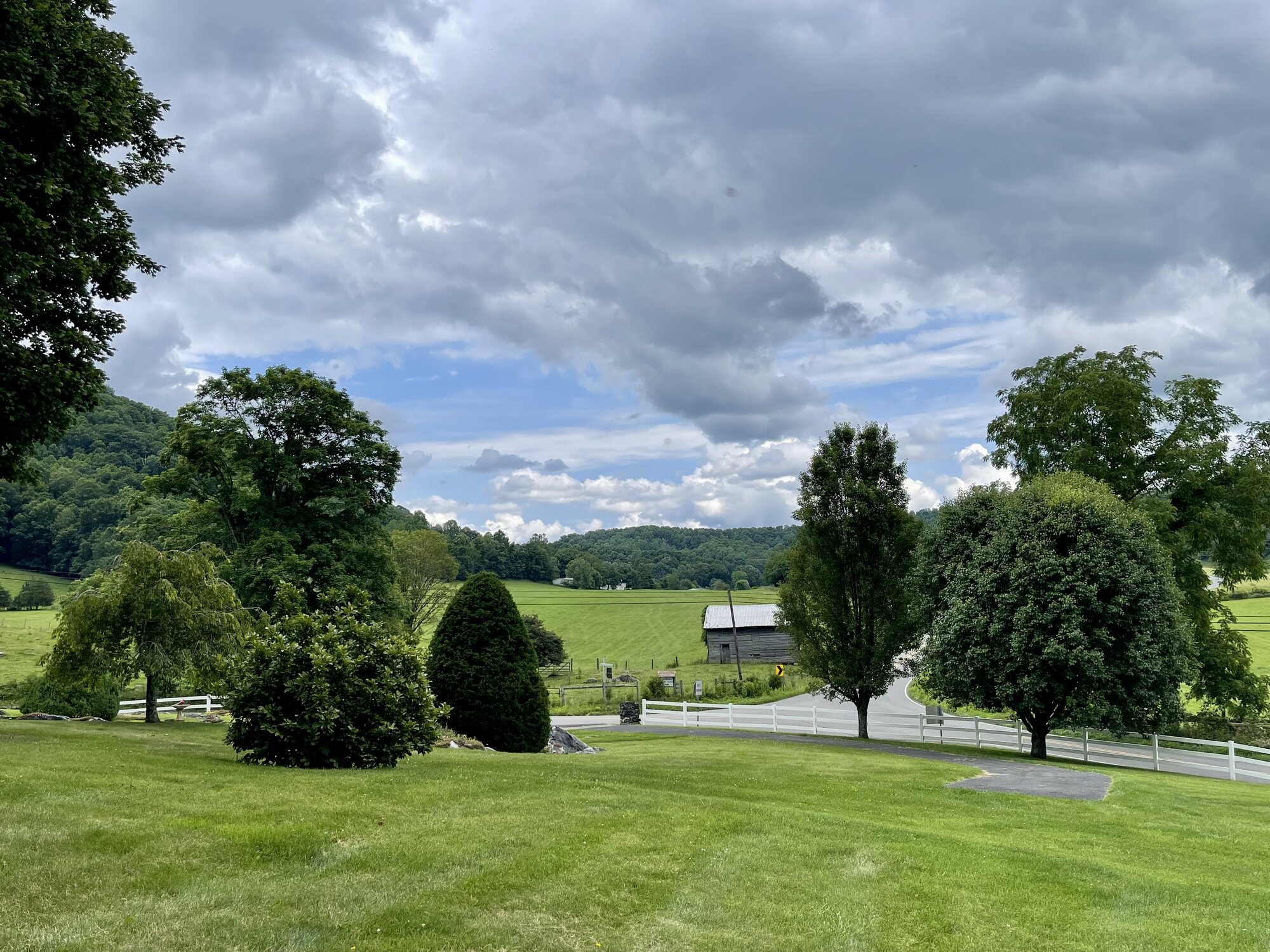
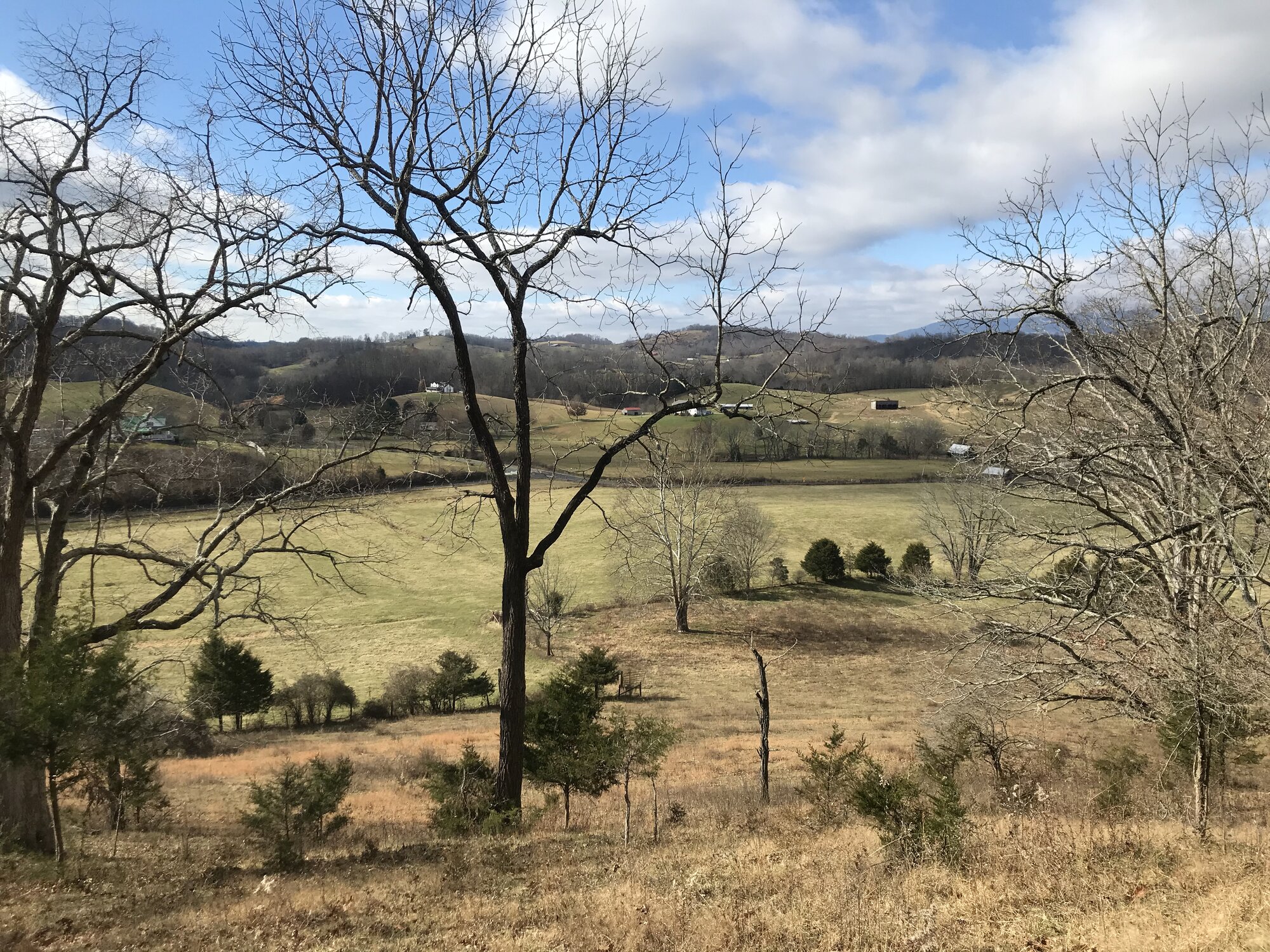
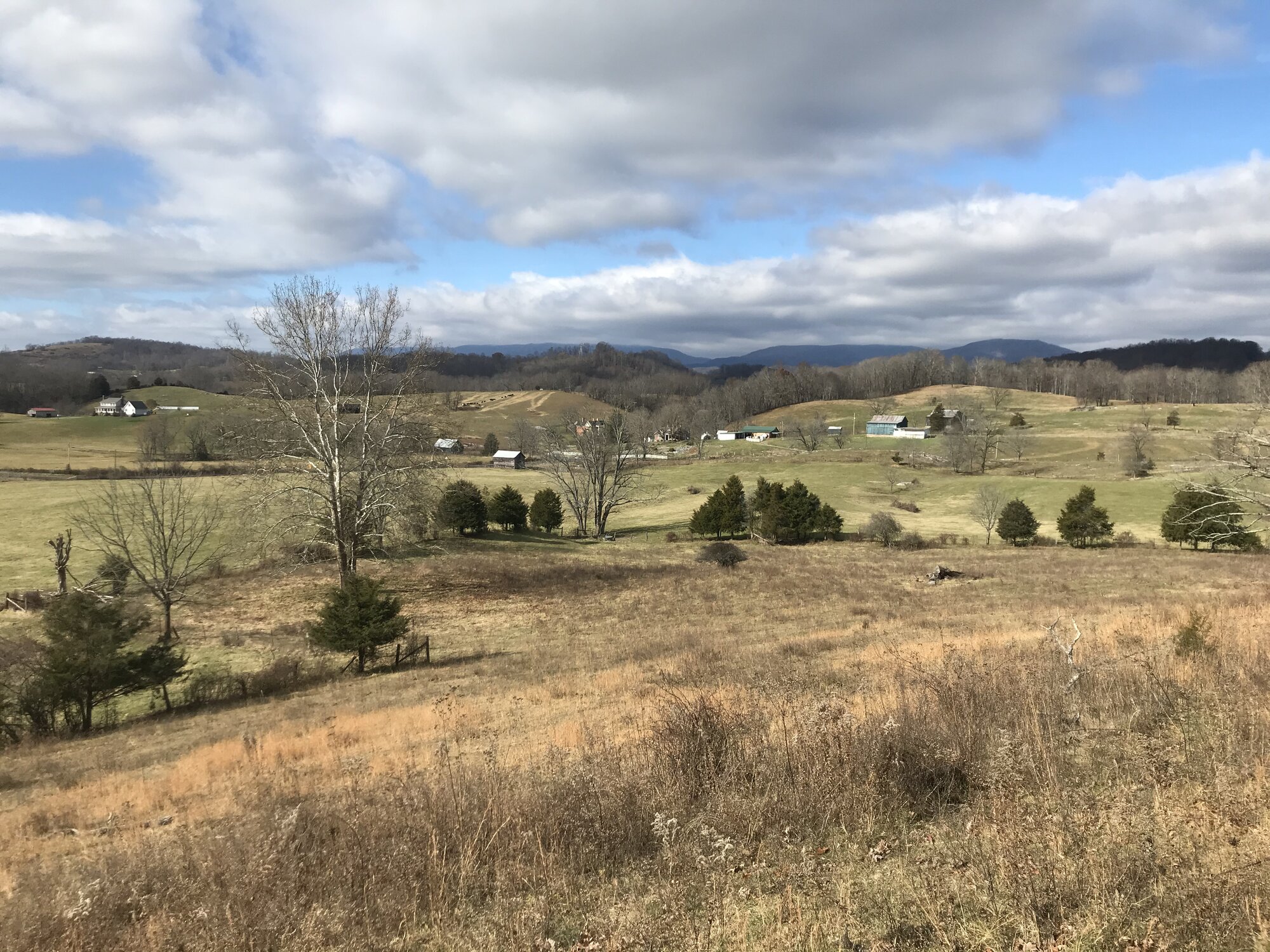
Long before there was a road, there was a path — worn by deer, then by Cherokee traders, then by the early settlers who came over the mountain in search of bottomland. In the 1700s, a young man from Scotland walked that path until it opened into a meadow with a clear spring. He stopped, and stayed.
His name was Robert Logan. With his son James, he was among the earliest European settlers to push beyond the Blue Ridge — part of the wave the British Crown had tried, and failed, to hold back. These frontier families came to be known as the Overmountain Men: independent farmers, hunters, and militiamen who would help shape the course of a young country.
In 1780, Robert and James joined the frontier militia mustered at Abingdon and marched south to the Battle of King's Mountain — a decisive Patriot victory in the Revolution's southern campaign. When they returned, it was to land they intended to keep. The Logan family established its roots here through Virginia land grants, and over generations the property grew into what we now call Midway Farm.
A counter, a porch, a memory.
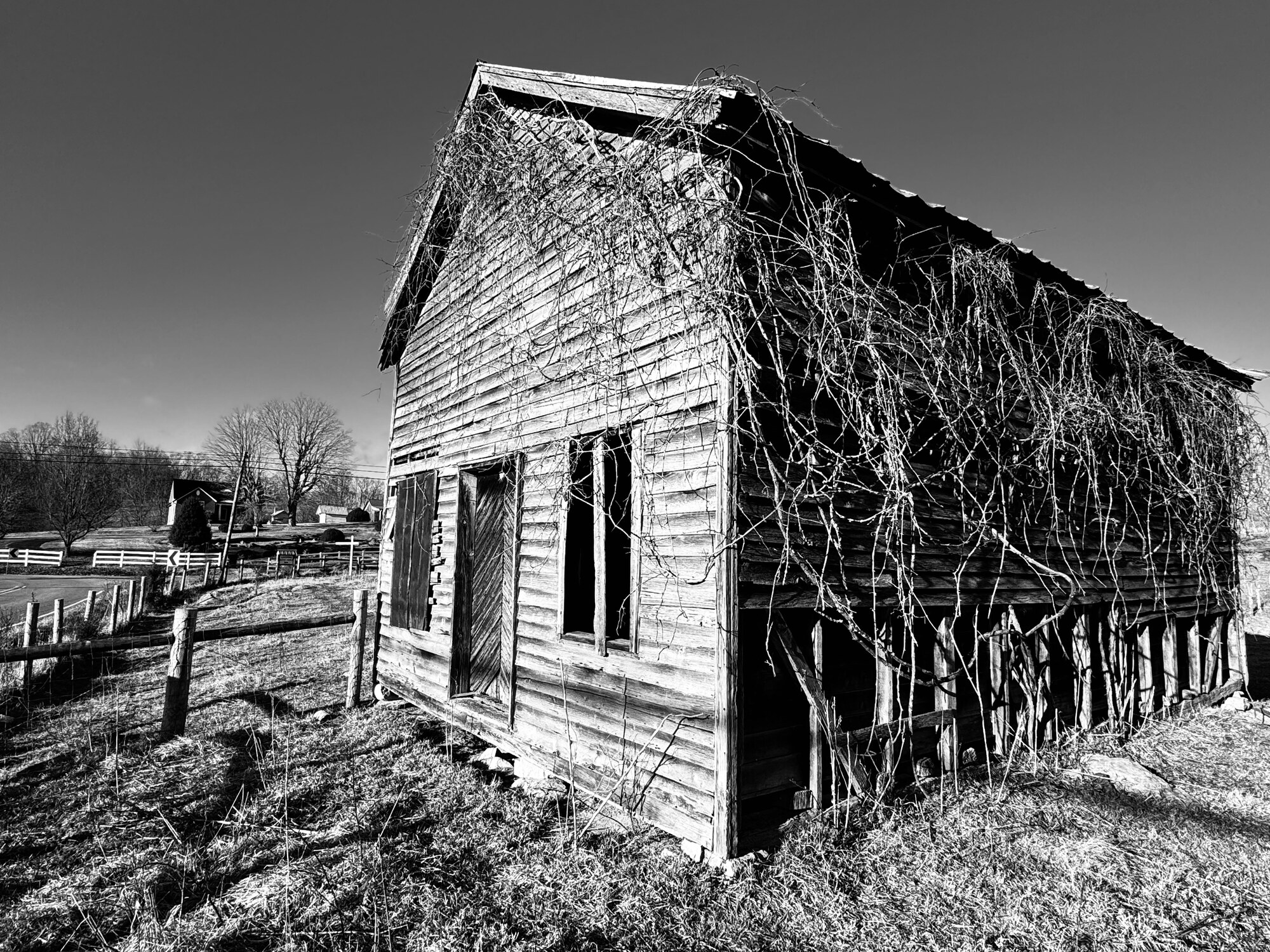
By the early 19th century the farm had grown enough to support a second life: the Midway Store, set on the road between Abingdon and Saltville. It sold what people needed and took what they could pay — eggs, bushels of apples, the occasional silver dollar — serving farmers, travelers, and the surrounding rural community. In ledgers kept in a careful copperplate hand, the names of three generations of neighbors are still legible.
Those whose names we are still learning.
Like many Virginia farms of its era, Midway's history also includes slavery. Historical records indicate that enslaved men, women, and children lived and labored on this land through the 18th and 19th centuries, sustaining the agricultural life and economy of the farm until emancipation in 1865, at the end of the Civil War.
Their work is part of this place. Any honest telling of Midway's story must acknowledge their presence and their contributions, even where the written record remains incomplete. As more is uncovered, their stories deserve to be remembered alongside those of the landowning family — and we are committed to that work.
Still in the Logan family.
Midway Farm remains in the care of the Logan family and is recognized today as a Virginia Century Farm — a lasting acknowledgment of generations of stewardship and continuity. It is a family legacy, and also a small reflection of the broader American story: its ideals and its hardships, its contradictions and its enduring connection to the land.
A Light exists in Spring
Not present on the Year
At any other period -
When March is scarcely here
A timeline of eight generations.
- 1700s
The Logans Cross the Mountains
Robert Logan, born in Scotland, and his son James settle on the western frontier of Virginia — among the Overmountain Men who pressed beyond the Blue Ridge against British restriction.
- 1780
Mustered for King's Mountain
Robert and James Logan join the frontier militia who muster in Abingdon and march south to the Battle of King's Mountain — a decisive Patriot victory in the Revolution's southern campaign.
- 1785
Land Grant on the Frontier
Following the war, the Logan family establishes deep roots through Virginia land grants — the parcel that, over generations, becomes Midway Farm.
- 1830s
The Midway Store Opens
A small wooden store opens between Abingdon and Saltville — serving farmers, travelers, and the surrounding rural community, and giving the farm its name.
- 1865
Emancipation
The end of the Civil War brings emancipation to the enslaved men, women, and children whose labor sustained the farm through the 18th and 19th centuries — a part of Midway's history that deserves to be remembered.
- 1930s
The Great Depression
The Depression years brought deep hardship to the farm and the family. Like families across rural Virginia, the Logans weathered lost income, scarce markets, and the daily struggle of keeping land and livestock together through the lean years.
- 1933
Hilltop Farmhouse Constructed
A new farmhouse is built atop the hill at Midway using plans sourced from Sears, Roebuck & Co. — an enduring example of American practicality and rural craftsmanship. The home remains a defining part of the Midway landscape.
- 1941–1945
Brothers at War
Brothers Sylvester and Frank Logan leave the farm to serve in the Second World War — Sylvester in the Army and Frank in the Navy — before returning home to the valley.
- 1943
Dr. Myrtle Logan
Myrtle Logan becomes one of the first women doctors in Virginia — and the first in Washington County — carrying the family's commitment to service well beyond the farm.
- 1963
Midway's Landmark Hereford Auction
After decades of building a respected Hereford breeding program, Midway Hereford Farm holds a major dispersion sale in 1963 at the Abingdon Stockyards. The event offers 85 registered cattle and reflects Midway's prominence in the regional Hereford community, even as cattle raising continues on the farm for years to come.
- 2020
Virginia Century Farm
Midway is recognized as a Virginia Century Farm — an honor reserved for properties kept by the same family for more than one hundred years of continuous stewardship.
- Today
Still in the Logan Family
Midway Farm remains in the care of the Logan family — a place to gather, to remember, and to leave gently on for the generation that follows.
A Virginia Century Farm.
In 2020 Midway Farm was recognized as a Virginia Century Farm — a rare honor reserved for properties cultivated by the same family for more than one hundred years. The designation matters less than what it stands for: continuity, care, and a long unbroken conversation between people and place in Meadowview.